







Search Results for: winding waterway for floating cups
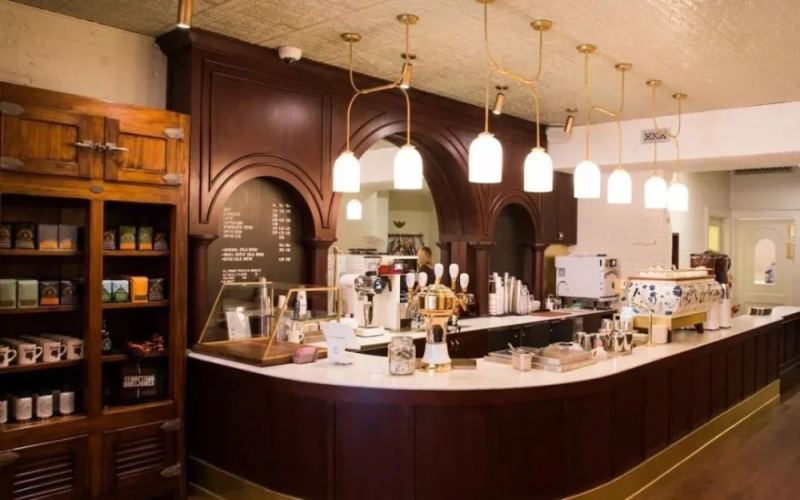
Coffee shop sink candleholder display sparks debate: ahead-of-its-time aesthetics or bathhouse vibes?
Nowadays, the coffee track is becoming increasingly crowded. In order to stand out among numerous stores, many cafes have begun to focus on spatial design. Some focus on value for money, some compete on service, and others rely on unique decor to attract young people to check in. One coffee shop has built a small rockery and an oval pool inside the store, with ceramic candlesticks holding lit candles floating in the pool. Amid the drifting mist, the candlesticks gently move with the waves, colliding with each other and making crisp sounds. The shop may have wanted to create a dreamy, cloud-like feeling, but after netizens saw the photos, opinions were mixed: some thought it was classy, while others mocked it as looking like a funeral hall, a bathhouse, or even a hot spring. From the source of inspiration to the actual impression, what kind of experience does this shop's design ultimately bring? [more…]

The Panama Canal is hit by drought, and the government has launched a multimodal "dry canal" plan to ease trade pressure.
The global climate anomalies triggered by El Niño continue to intensify, and the Panama Canal is facing a severe drought test. The navigation capacity of this golden waterway connecting the two oceans has declined sharply, affecting about 3% of global maritime trade, with exports of agricultural products such as coffee from Central America bearing the brunt. To alleviate canal congestion and insufficient capacity, the Panamanian government has launched a "multimodal dry canal" plan, attempting to open alternative routes using existing roads, railways, and port facilities. At the same time, the coffee tree reforestation project previously invested in by the canal authority is also progressing slowly. This article will sort out the specific impact of the drought on the canal and the coffee trade, and explain the operating concept and potential benefits of the new plan. [more…]

Panama Hacienda La Esmeralda Red Label Geisha: The Legendary Journey from a Windbreak to the 2025 BOP Champion
In the 2025 Panama BOP competition, Hacienda La Esmeralda's Geisha once again claimed victory with a record-breaking price of $30,204 per pound, bringing this legendary variety back into the spotlight. But few people know that this bean, which today is sought after by coffee lovers worldwide, was discarded as a low-yield windbreak more than twenty years ago in a remote high-altitude border region. This article, from the perspective of Front Street Coffee, provides a complete overview of the terroir origins of the Boquete production area, Geisha's journey from being overlooked to being enshrined, Hacienda La Esmeralda's family legacy and brand grading system, and includes a green bean analysis, roasting curve, and brewing parameters for Front Street Red Label Geisha, taking you deep into understanding what exactly lies behind this cup of coffee that is "expensive for good reason." [more…]
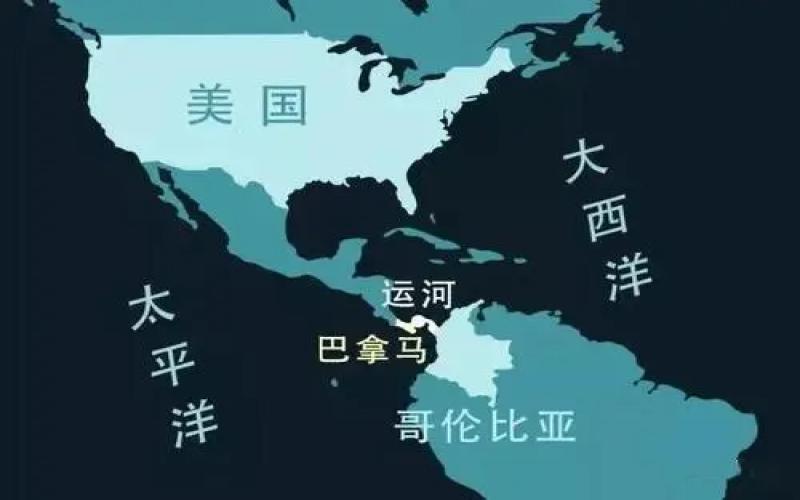
Panama Canal Drought Crisis Spurs Coffee Reforestation Plan: Fifteen-Year Project Helps Ease Water Pressure
The Panama Canal has faced severe drought in recent years, with water levels continuing to drop, threatening not only global shipping trade but also local agricultural production. A fifteen-year coffee planting incentive program has been launched in the Capira district west of the canal, encouraging coffee farmers to expand Robusta bean cultivation and restore soil and river ecosystems through reforestation. The Panama Canal Authority has invested US$32 million, benefiting about 1,700 farmers. This move can both boost coffee farmers' incomes and help ease the canal's water source crisis. Amid high coffee prices, Front Street Coffee continues to monitor developments in producing regions and bring frontline news to enthusiasts. [more…]
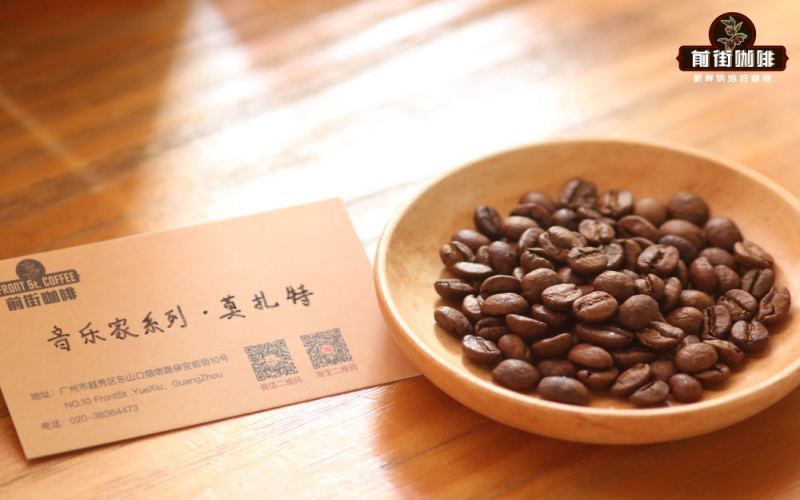
Costa Rica Canet Estate Musician Series Mozart: Raisin Honey Processing Flavor and Brewing Analysis
Costa Rica's Canet Estate Musician Series Mozart presents a complex and captivating flavor profile through its raisin honey process. This coffee comes from the high-altitude region of Tarrazú, using Caturra and Catuai varieties, and employs a nearly zero-water-waste honey processing method that preserves the complete mucilage. After careful drying and roasting, it reveals rich layers of raisin, osmanthus, sweet orange, and berry notes. Front Street Coffee will guide you through an in-depth look at Canet Estate's growing background, the key steps of raisin honey processing, green bean characteristics, and roasting curves, along with pour-over parameter recommendations to help you better capture the unique charm of this Mozart coffee. [more…]
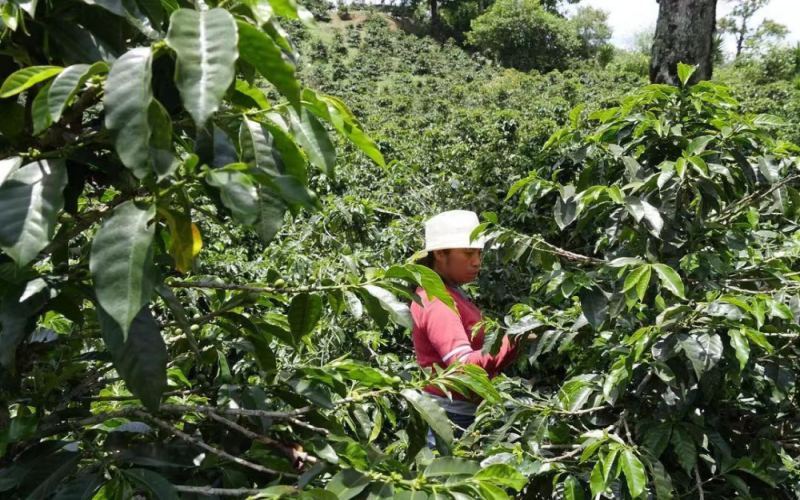
A Detailed Guide to Honduran Coffee Origins and Processing Methods, with Pour-Over Parameters for El Laurel Estate Washed Parainema
Honduras is the largest coffee producer in Central America and a globally important supplier of washed Arabica beans. From the perspective of Front Street Coffee, this article systematically reviews the origin history, washed processing procedures, varieties, and grading system of Honduran coffee, and focuses on sharing the roasting curves, cupping performance, and pour-over extraction parameters of two beans: Sweet Orange Estate and Laurel Estate. Among them, the flavor layers and grind size adjustment approach of the washed Parainema variety from Laurel Estate are the core highlights of this article, making it suitable for enthusiasts who want to gain a deeper understanding of the flavor sources and brewing details of Honduran coffee. [more…]
Costa Rica Canet Estate Musician Series Mozart: Raisin Honey Process Coffee Bean Flavor and Roast Analysis
Costa Rica Canet Estate's Musician Series Mozart is a specialty coffee crafted using the raisin honey process. The estate is located in the highest-altitude zone of the Tarrazu region, where coffee-growing areas are limited and yields are scarce. Mozart uses Caturra and Catuai varieties, and through hand-picking and meticulous processing, it presents rich layers of raisin, osmanthus, sweet orange, berry, pineapple, caramel, and toffee. This article will provide a complete analysis of this coffee's flavor code, from the terroir of the producing region, the estate's background, processing techniques, green bean varieties, and roasting curve to brewing suggestions. Front Street Coffee recommends hand-brewing extraction, using a V60 dripper with a water temperature of 90°C to fully bring out its complex floral aroma and fermented sweetness. [more…]
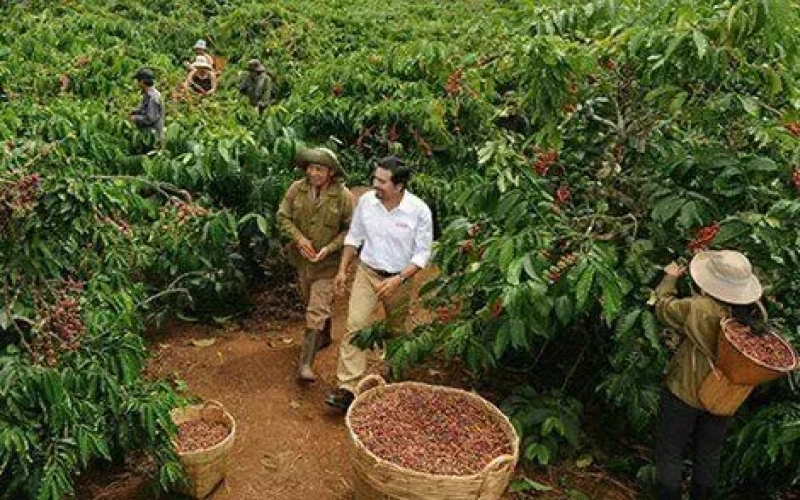
Vietnamese Robusta Coffee Hit by Production Crisis, Purchase Price Breaks the 100 Million Vietnamese Dong Mark
Vietnam, the world's largest robusta coffee-producing country, is facing severe challenges—drought and scant rainfall, farmers switching to fruit crops, and the lingering effects of El Niño. The combination of these multiple factors is expected to cause coffee output to fall by 20%. At the same time, Vietnam's domestic coffee purchase price has soared to 103 million to 107 million Vietnamese dong per ton, and London futures prices have risen by more than 50% within a year. This wave of reduced production not only affects Vietnam's local economy, but will also tighten the global coffee supply landscape. This article examines the climate, economic, and geopolitical factors behind Vietnam's coffee production decline, and also looks at China's role in this shifting situation. (Front Street Coffee continues to follow developments in global coffee-producing regions.) [more…]
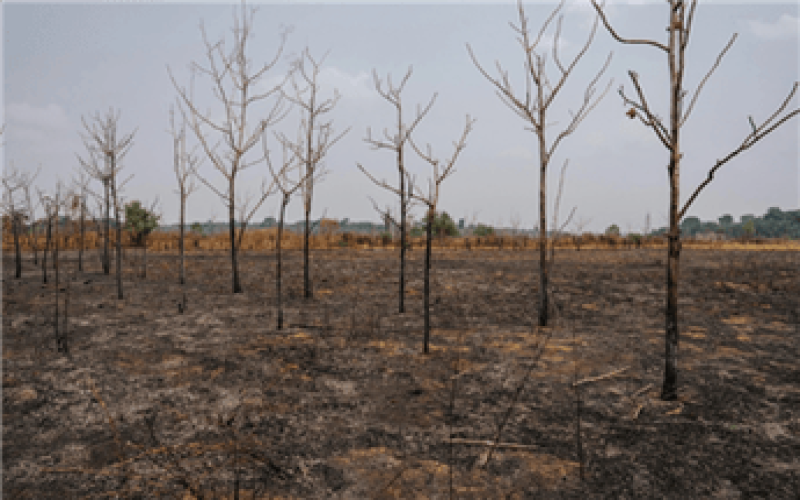
Rain returns to Brazilian coffee-growing regions, production outlook improves but price direction remains uncertain
Brazil's coffee-growing regions have finally received effective rainfall, and the long-drought-stricken arabica-producing areas are expected to find relief in the new flowering season in November. However, months of extreme heat and water shortages have already caused substantial damage to production for the 2024/25 and 2025/26 crop years. Water levels in the Amazon basin remain at historic lows, and shipping disruptions are driving up logistics costs. At the same time, the sharp plunge in the real exchange rate, port delays, and the postponement of the EU's EUDR policy, among multiple interwoven factors, have filled the outlook for Brazil's coffee production and prices with uncertainty. This article reviews the latest weather developments, industry impacts, and chain reactions in the market, and includes Front Street Coffee's continued attention to origin information. [more…]

Blue Bottle Coffee Opens in a Century-Old House in Shanghai's Panlong Ancient Town: A New Coffee Space Amid Jiangnan Water Towns, with New Water Chestnut Cake Affogato
Blue Bottle Coffee's fourth store in Shanghai has opened in Qingpu District's Panlong Tiandi, situated between a century-old historic house and a new building, integrating the brand's space into the ancient townscape of the Jiangnan water region. The store is divided into three areas: the historic house, the new building, and a public gathering space, preserving traditional architectural structures while infusing them with a modern design language. In addition, the Panlong store has introduced a Water Chestnut Cake Affogato that blends traditional flavors, combining the soft, sweet water chestnut cake with rich, aromatic Italian affogato to deliver a unique taste experience. Join us as we explore this Blue Bottle Coffee in the ancient town and experience the collision of coffee and local culture. [more…]
Jamaica Blue Mountain Coffee Flavor Analysis: A Complete Guide to Sweetness, Balance, and Pour-Over Parameters
Blue Mountain coffee, as one of the most famous coffees in the world, has long been shrouded in mystery, with high prices and difficulty in buying the genuine article. Now, through channels such as Front Street Coffee, coffee lovers can purchase authentic Jamaican Blue Mountain No. 1 coffee beans from Clifton Estate. This article will focus on the taste characteristics of Blue Mountain coffee, answer whether it is on the sweet side, and explain in detail the complete knowledge from bean variety and grade classification to brewing methods. Whether you are a beginner just getting to know Blue Mountain or a seasoned connoisseur looking to refine your brewing technique, you will find practical information here. [more…]
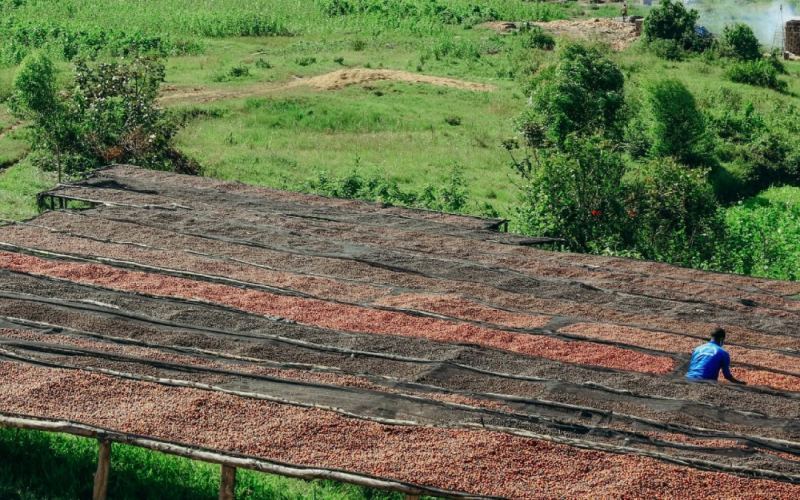
An Analysis of Rwandan Coffee Bean Varieties and Producing Region Characteristics, Washed Processing Flavors, and Front Street Brewing Suggestions
Although Rwanda is a small landlocked country in Africa, it has gradually emerged in the specialty coffee scene thanks to varieties such as Bourbon, Caturra, and Catuai, along with a predominantly washed processing method. From the introduction of coffee during the colonial period to the PEARL program promoting the construction of washing stations, Rwanda's coffee industry has traveled a winding road. This article will review Rwanda's growing environment, main varieties, and washed processing procedures, and, combined with Front Street Coffee's cupping and brewing experience, present its balanced flavors of citrus, nuts, and honey. It will also revisit events such as McDonald's McCafe blend adjustments and Viya's livestream selling, helping readers gain a comprehensive understanding of the coffee charm of this "Land of a Thousand Hills." [more…]
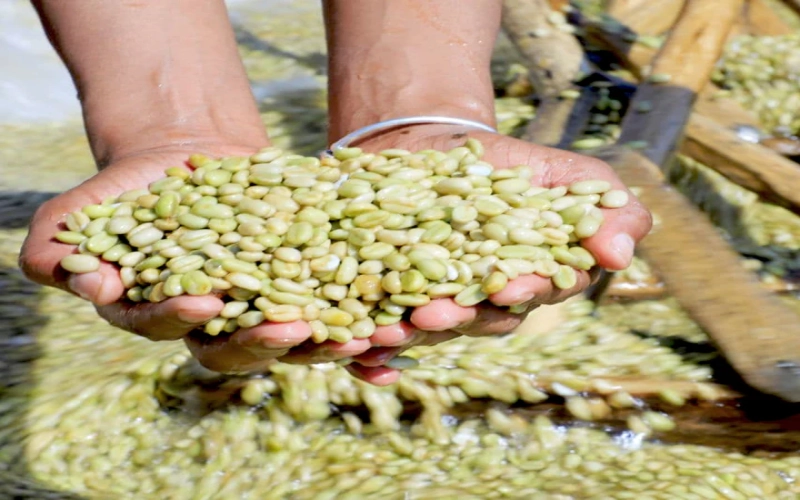
Exploring Yirgacheffe Kochere: A Full Analysis of Terroir, Washed Processing, and Pour-Over Flavor
Yirgacheffe is a shining名片 of Ethiopian specialty coffee, and Kochere, as one of its core sub-regions, has won over many coffee lovers with its clean and sweet washed flavor. This article will start with the geography and history of Yirgacheffe, delve into the cultivation patterns and processing equipment advantages of the Kochere region, sort out the grading system of the Ethiopian Commodity Exchange, and share Front Street Coffee's brewing suggestions and flavor impressions for Kochere coffee beans. Whether you are a beginner just getting into acidic coffee or a seasoned enthusiast looking for a daily staple, you can gain useful origin knowledge and practical references from it. [more…]
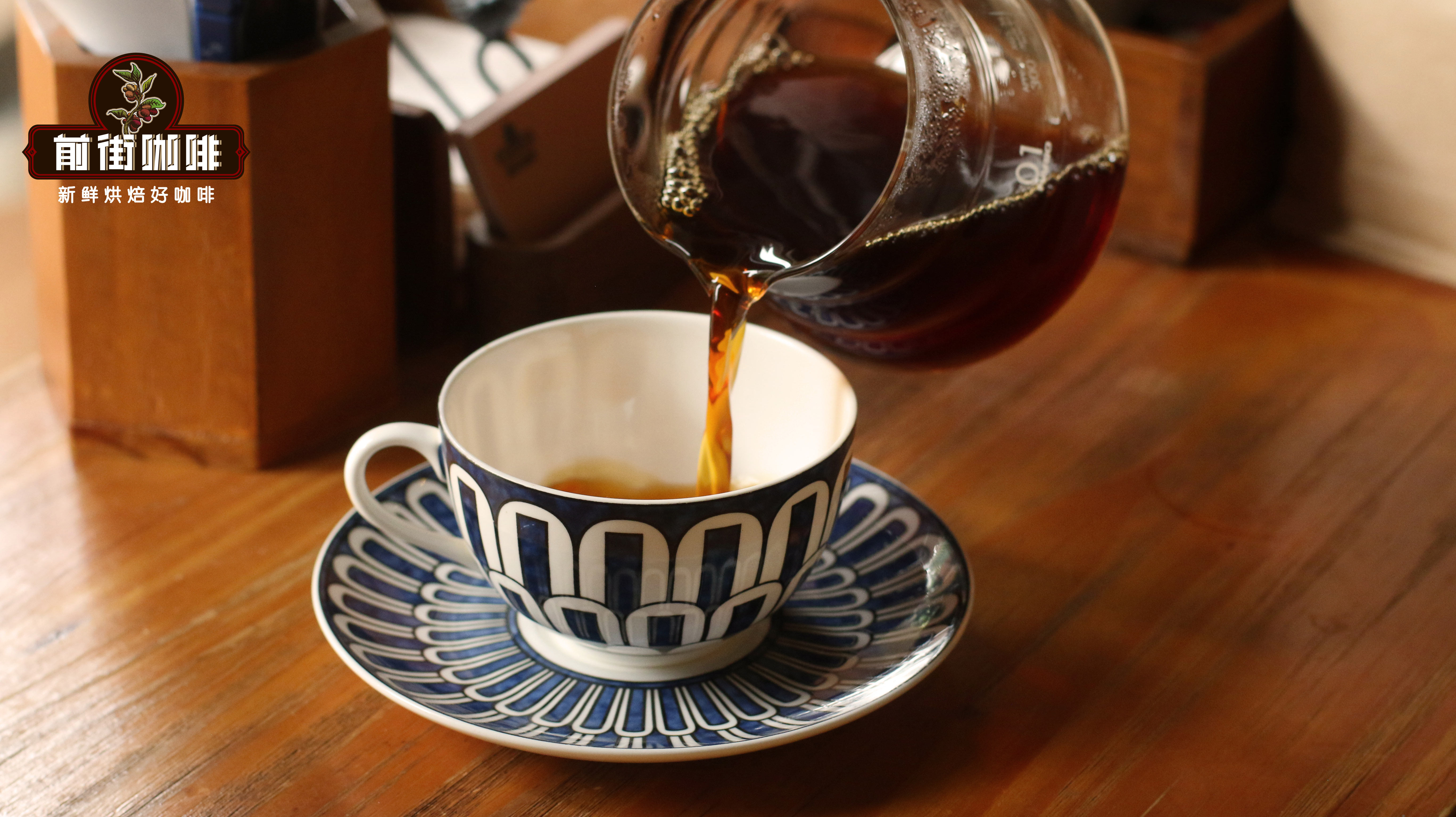
Blue Mountain, Mandheling, and Mocha: An Analysis of the Flavor Characteristics and Origin Histories of Three Classic Coffees
In the world of specialty coffee, Jamaica Blue Mountain, Indonesian Mandheling, and Yemen Mocha have always been three peaks that cannot be overlooked. Each of them carries unique terroir conditions and processing methods, and also shapes distinctly different aromas and flavors. Front Street Coffee has shared these three classic coffees many times. This article will sort through their origins and key identification points one by one, from producing region environment, variety characteristics, processing methods, to flavor performance, helping coffee lovers more systematically understand why they have remained popular for so long. [more…]
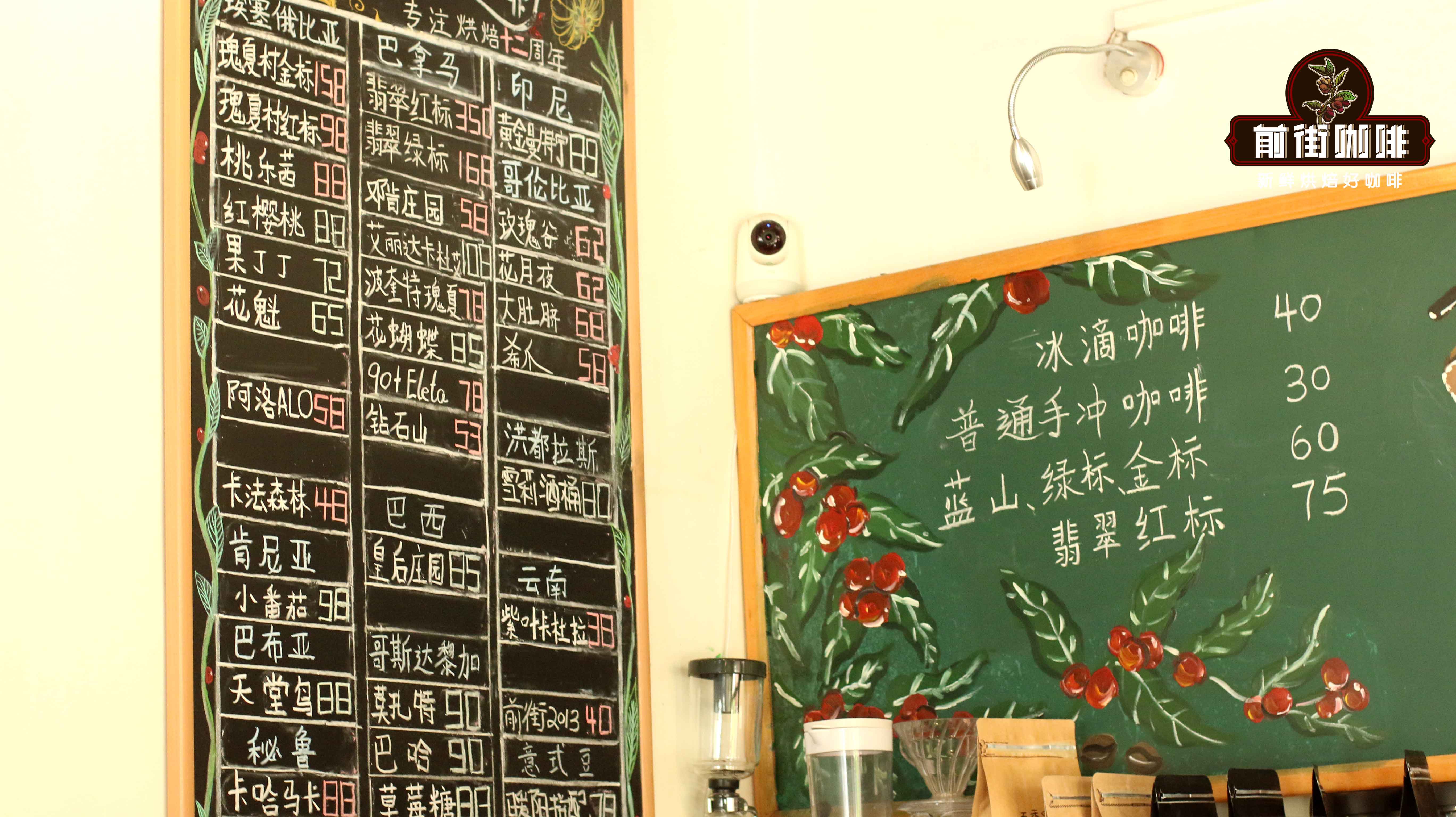
A Detailed Guide to Colombian Coffee Regions, Varieties, and Processing Methods, with Front Street Huila Pour-Over Parameters
Colombia is the world's second-largest coffee producer after Brazil, winning widespread praise for its affordable prices and rich, full-bodied aroma. This article starts with the growing terroir, then outlines its core producing regions, representative varieties, and processing methods such as washed processing, unpacking the underlying logic behind Colombia's outstanding coffee quality. It also includes hand-brew parameters, staged extraction procedures, and flavor descriptions for three Front Street Coffee beans—Huila, Flower Moon Night, and Rose Valley—to help you easily recreate a cup of Colombian coffee with balanced acidity and sweetness and a layered aroma. [more…]
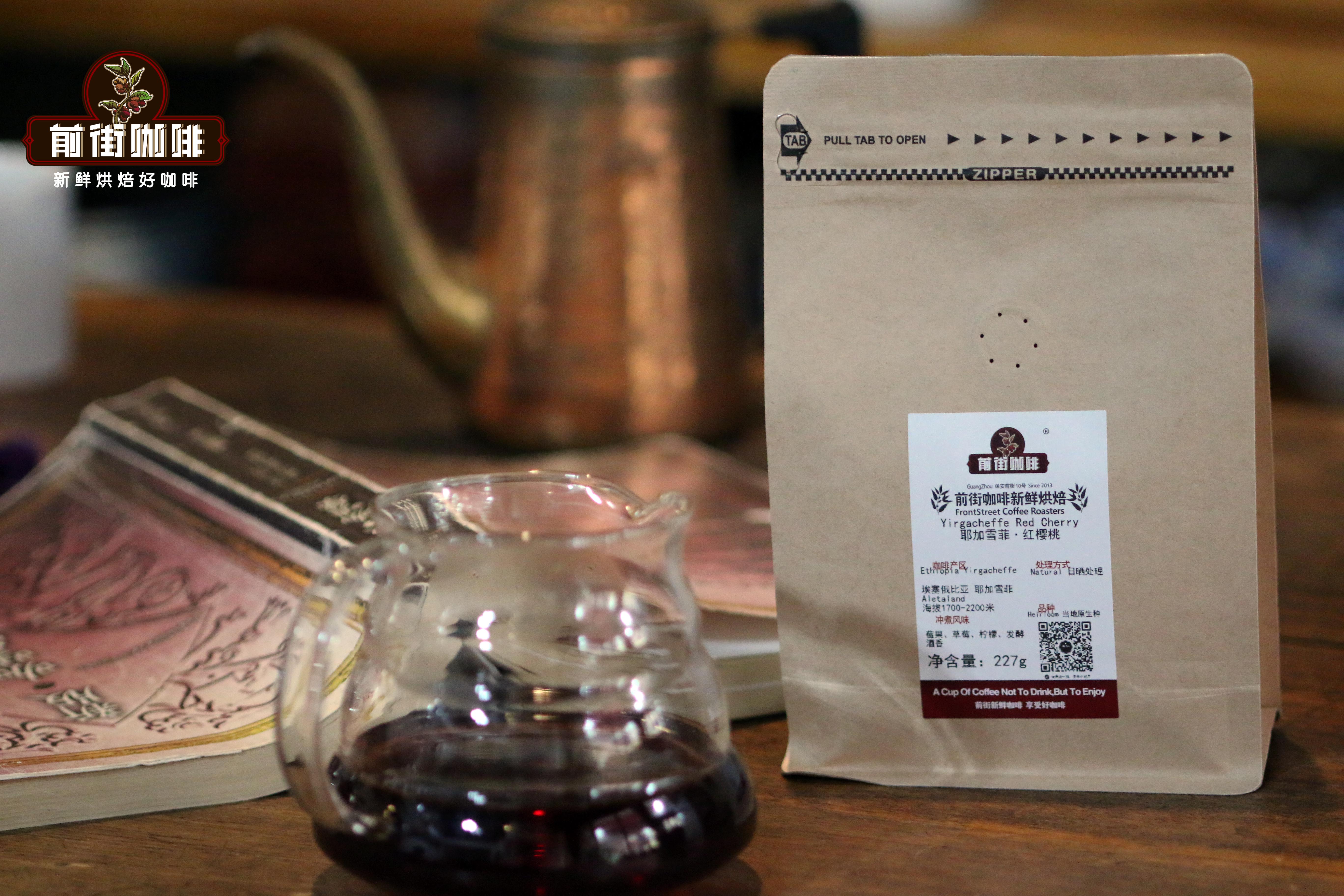
Ethiopian Yirgacheffe Coffee Bean Region Analysis: Washed vs. Natural Flavor Differences and Pour-Over Techniques
Yirgacheffe is where many coffee lovers take their first step into the world of specialty coffee. This highland region in southern Ethiopia, with its unique microclimate and processing methods, produces a cup profile reminiscent of floral and fruity tea. This article systematically traces the origins of the Yirgacheffe growing region, the flavor tendencies of the two major processing methods—washed and natural—and, drawing on Front Street Coffee's bean lineup and brewing experience, offers readers a complete reference from bean selection to extraction. [more…]

Tracing the Origins of the Names Mocha Coffee Beans, Moka Pot, and Caffè Mocha: The Evolution from a Yemeni Port to an Italian Drink
In the coffee world, the name "Mocha" appears frequently in coffee beans, coffee equipment, and coffee drinks. What exactly is the connection between them? This article starts with the history of the port of Mocha in Yemen, tracing how Mocha coffee beans got their name from the port and became popular in Europe, then analyzes how modern Mocha coffee evolved into an Italian-style milk coffee with chocolate added, and finally explains the naming logic of the Moka pot. The article also combines Front Street Coffee's products to offer pairing suggestions for Mocha coffee and Moka pots, helping readers fully understand the story behind the three "Mochas." [more…]
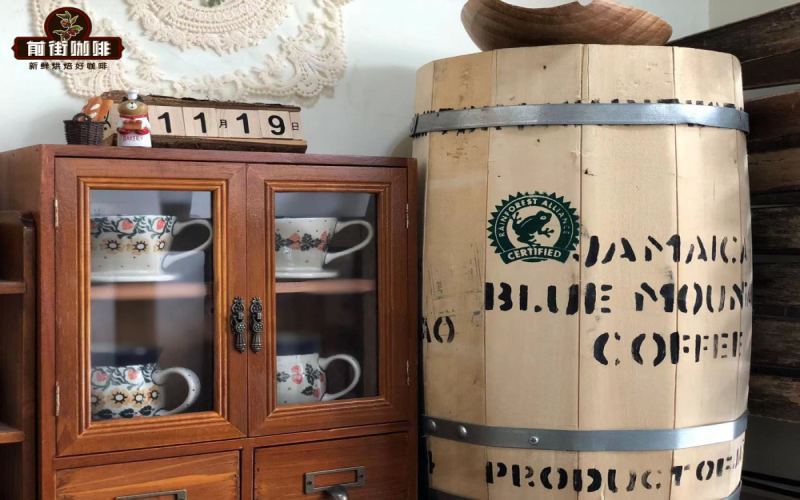
A Detailed Guide to Jamaican Blue Mountain Coffee Bean Grading Standards: From Grade 1 to Grade 3 and a Complete Guide to Blue Mountain No. 1's Flavor and Taste
Blue Mountain coffee, as Jamaica's most iconic coffee category, is highly sought after for its balanced taste and scarce production. However, the market is flooded with a large number of "Blue Mountain flavor" products; genuine Jamaican Blue Mountain coffee requires government certification, has limited annual production, and is relatively expensive. This article will systematically introduce the three-tier grading standards for Blue Mountain coffee beans, trace the historical context from their introduction to Jamaica in 1728, Japanese UCC assistance and priority purchasing rights, to the opening of the international market in 2008, and highlight Front Street Jamaican Blue Mountain No. 1 coffee beans—from the oldest Clifton estate, with Rainforest Alliance certification, presenting a balanced flavor of dark chocolate, nuts, and creamy smoothness through a medium-dark roast. [more…]
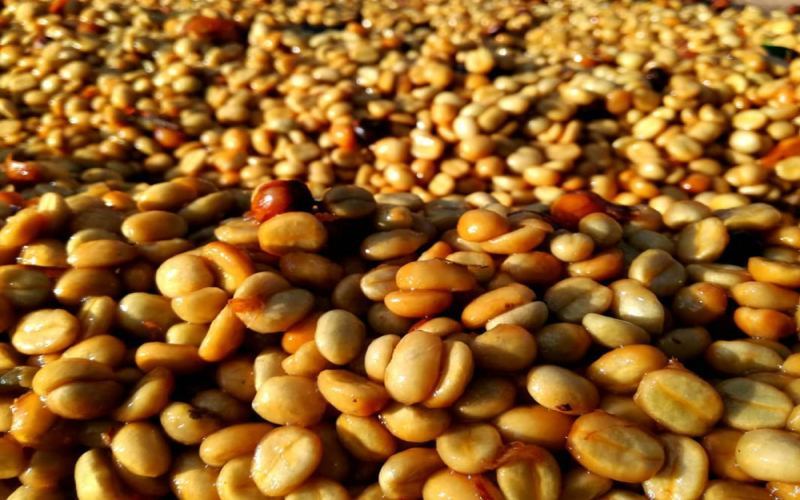
Why Does Costa Rican Honey-Processed Coffee Have Such Outstanding Sweetness? Uncovering the Regions, Varieties, Processing Methods, and Import Situation
Costa Rican honey-processed coffee has long been celebrated for its honey-like sweetness, and Front Street Coffee has featured it as a signature pour-over since 2013. Although this Central American country is not the largest producer, its legally mandated cultivation of Arabica, its blessed volcanic soil and high-altitude growing regions, and its masterful honey-processing techniques combine to create elegant, sweet coffee flavors. From Front Street's perspective, this article systematically reviews Costa Rica's producing regions, common varieties, processing methods such as honey processing and raisin anaerobic honey processing, and recommends several representative coffee beans including the Musician Series, Fire Phoenix Sapphire, Rume Sudan, and Geisha. [more…]
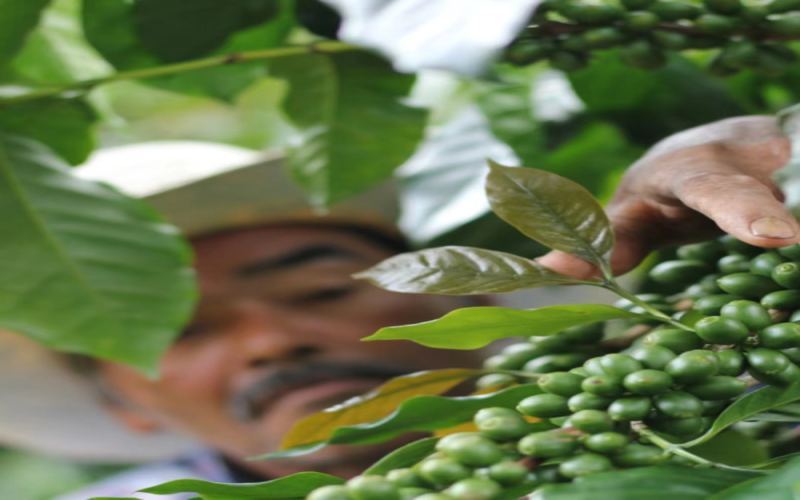
An Overview of the Honduran Coffee Industry: Development Trajectory, Six Major Regions, and Analysis of Barrel-Fermented Flavors
In the coffee landscape of the Americas, Honduras is often overshadowed by names like Brazil and Colombia. Yet this mountainous Central American nation, with its unique geographic conditions and its industry push in recent decades, has risen to rank among the world's important coffee origins. From coffee's introduction in the late 18th century, to the founding of the dedicated agency IHCAFE in 1970, to surpassing Costa Rica and Guatemala in production in 2011, Honduras has walked a winding yet resolute coffee road. This article will systematically trace the country's coffee history, its six core producing regions, the current state of smallholder farming, and the diverse post-processing methods that have emerged in recent years—especially the sherry cask fermentation method with its notes of whisky and vanilla—to give you a comprehensive understanding of this coffee nation worthy of attention. [more…]